How to Choose CNC Lathes in 2026?
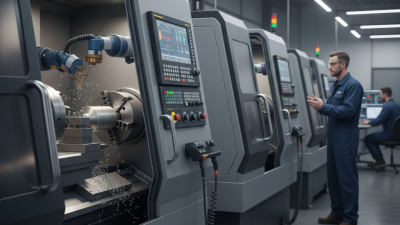
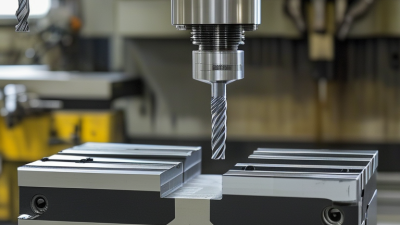
Choosing the right CNC Lathes in 2026 requires more than comparing prices and advertised spindle speeds. A machine may look impressive on paper yet struggle with your actual material, tooling, or production rhythm. Steel bar work, for example, demands different torque and chip control than aluminum components. Your decision should begin with the parts you make, their tolerances, batch sizes, and expected growth.
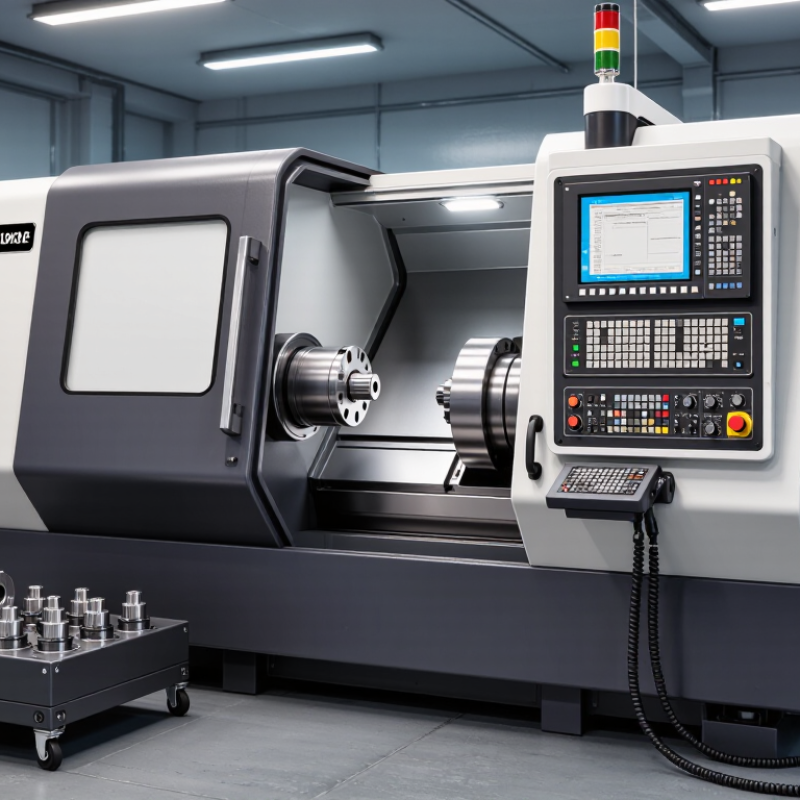
Small details matter. Check the maximum turning diameter, cutting length, spindle bore, chuck size, and live-tool capability. Confirm whether the control system supports your preferred programming workflow. A fast spindle is useful, but stable torque at lower speeds may matter more for heavy cuts. Accuracy claims should be tested under realistic shop conditions, including thermal changes and long production cycles. Ask for sample parts, inspection data, and references from manufacturers using similar materials.
Service support can decide the machine’s real value. Review installation training, spare-parts availability, remote diagnostics, and technician response times. Calculate tooling, maintenance, energy, software, and downtime costs over several years. Not just the purchase price. A reliable dealer should explain limitations clearly, not hide them behind polished brochures. No selection method is perfect. A spreadsheet may miss operator comfort, chip evacuation, or awkward access during setup. Visit a working facility if possible, observe the machine cutting, and speak with its operators. Their practical experience often reveals weaknesses that specifications conceal. The best choice balances capability, reliability, safety, and measurable return, while leaving enough flexibility for tomorrow’s workload.
Quantify the Job: Diameter, Length, Tolerance, Volume, and Cycle Time
How to Choose CNC Lathes in 2026?
Quantify the Job: Diameter, Length, Tolerance, Volume, and Cycle Time
Begin with the part envelope, not the machine brochure. Record maximum diameter, swing, overall length, chuck size, and bar diameter. Leave clearance for jaws, tools, and chip flow. A 250-millimeter diameter part may require more swing than its drawing suggests. Workholding changes the calculation.
Tolerance decides the machine’s practical value.
Separate drawing tolerance from process capability. If a shaft requires ±0.01 millimeter, measure the full process, including tool wear, thermal growth, and inspection error. ISO 230-2 describes repeated positioning tests across target positions. Use that discipline when comparing published accuracy figures. In practice, my first estimates are often too optimistic.
Volume and cycle time reveal the return. Calculate annual parts, available hours, setup frequency, and rejected parts. The 2024 AMT U.S. Manufacturing Technology Orders report tracks both machine quantities and order value. That separation matters: a low unit price does not guarantee low cost per part. Record cutting time, tool-change time, loading time, and inspection time. Small delays multiply quickly.
A ten-second saving across 50,000 parts equals nearly 139 hours.
Verify it with a timed trial.
Use production history when possible.
The U.S. Department of Energy’s Better Plants guidance emphasizes measured energy and process performance rather than assumptions. Include power, coolant, labor, and maintenance in the estimate. Leave some uncertainty. Real shops are messier than spreadsheets.
Size the Machine: Chuck, Bar Capacity, Travel, and 3,000–6,000 rpm
When choosing a CNC lathe in 2026, start with the workholding, not the brochure. Measure the largest chuck you actually need, then leave clearance for jaws, tools, and the part’s swing. A 200–250 mm chuck suits many general turning jobs, but heavy parts may demand a larger chuck and stronger spindle. Bigger is not automatically better. It can reduce acceleration and consume valuable working space.
Check bar capacity against your regular material, not your occasional oversize order. If most shafts are 45 mm, a 65 mm through-hole may provide useful flexibility without excessive cost. Travel matters just as much. Compare maximum turning diameter, Z-axis travel, and X-axis travel with your longest finished component. Leave room for facing, grooving, and safe tool approach. Tight travel creates awkward setups. I have seen a machine fit the raw stock but fail during tool clearance checks.
Spindle speed deserves practical testing. A range of 3,000–6,000 rpm can support efficient aluminum work and smaller-diameter finishing, but maximum rpm is only useful when the chuck, balance, tooling, and material support it. Calculate surface speed from part diameter. Large steel diameters rarely need the top setting. Small parts may benefit from it. Do not choose speed by headline numbers alone. Measure vibration, surface finish, and cycle time on representative parts. My first sizing estimate is often too optimistic, so I now review three months of job data before ordering.
How to Choose CNC Lathes in 2026?
Representative sizing ranges for three common CNC lathe classes. Compare chuck diameter, maximum bar capacity, X/Z-axis travel, and spindle speed before selecting a machine.
Larger chucks and bar capacities support bigger workpieces, while longer travels provide more machining envelope. A 3,000–6,000 rpm spindle range covers many general turning applications; the required speed depends on workpiece diameter, material, tooling, and cutting speed.
Select Cutting Power: 5–30 kW Spindles and Material-Specific Torque
A 5–30 kW spindle range sounds broad, but power alone does not select a CNC lathe. Torque matters at the cutting zone. Use T = 9,550P/n: a 15 kW spindle produces about 47.8 Nm at 3,000 rpm, but 143 Nm at 1,000 rpm. Low-speed torque can decide whether a machine holds a heavy steel cut or stalls during interrupted turning.
Match torque to the material, not only the job size. Aluminum usually rewards higher rpm and moderate torque, especially with sharp tools and efficient chip evacuation. Carbon steel needs a balanced power curve, stable rigidity, and enough torque for deeper passes. Titanium and nickel alloys generate more heat and cutting resistance. They often need controlled speed, strong clamping, and sustained low-speed torque. A 30 kW spindle may be excessive for small aluminum parts, yet inadequate if its torque drops sharply below 1,500 rpm.
Check the torque curve.
The U.S. Department of Energy reports that motor-driven systems consume roughly 69% of industrial electricity, so spindle efficiency affects operating cost. Technical cutting data from ASM International also shows that recommended speeds and forces vary substantially by alloy and tool geometry. Do not treat those values as universal. Real machines lose capacity through tooling, workholding, and transmission limits. I would leave a practical reserve of 15–25%, although that margin should be verified through test cuts, not assumed.
Assess Automation: Robot Loading, MTConnect, and OEE Above 70%
How to Choose CNC Lathes in 2026?
Assess Automation: Robot Loading, MTConnect, and OEE Above 70%
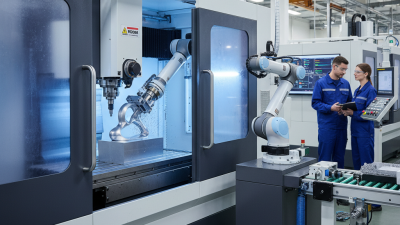
A modern CNC lathe should support reliable automation, not just high spindle speed. Robot loading reduces manual handling between cycles and improves operator safety. Check the loading envelope, chuck access, part weight, and changeover time. A robot that needs constant adjustment can reduce productivity. I have seen simple fixtures outperform advanced systems when operators need fast, repeatable setups. The imperfect detail matters: automation can expose weak processes rather than fix them.
MTConnect compatibility helps connect machine data with production software. Review whether the lathe can report cycle time, idle time, alarms, feed rates, and machine status. Clean data supports better maintenance decisions. However, connection alone proves little. Confirm the data is accurate during real production, including short runs and tool changes. OEE above 70% is a useful target, but it should not hide quality problems. A high availability score means little if parts require frequent rework.
Tips: Test one complete production cycle before purchasing. Measure robot loading time with actual parts. Ask for OEE records from comparable work, not showroom demonstrations. Track availability, performance, and quality separately for several weeks. If the first result is only 62%, investigate the cause instead of forcing the number upward. Also check training requirements, recovery steps after alarms, and how quickly an operator can resume production. A practical lathe should remain understandable when conditions are not perfect.