How to Choose the Best CNC Lathes in 2026?
Choosing the best CNC Lathes in 2026 requires more than comparing spindle speed, price, and glossy brochures. A machine that excels on aluminum may struggle with interrupted cuts in stainless steel. A compact lathe may fit your floor perfectly, yet limit future bar capacity. These details matter during real production, when coolant, chips, vibration, and operator access affect every cycle.
Industry data shows why this decision deserves careful attention. Grand View Research estimates that the global CNC machine tools market will continue expanding through 2030, driven by automation, precision manufacturing, and demand for shorter production cycles. The International Federation of Robotics reported 4.28 million industrial robots operating worldwide in 2023, highlighting the wider shift toward connected and automated factories. Meanwhile, the U.S. Manufacturing Technology Orders report from AMT tracks continuing investment in advanced metalworking equipment across key manufacturing sectors. These reports do not identify one universally superior lathe. They reveal a changing market.
This guide evaluates CNC Lathes through practical criteria. Expect attention to spindle torque, chuck size, axis travel, thermal stability, control systems, chip evacuation, service support, and total ownership cost. A higher maximum RPM is not automatically better. Neither is a heavier machine always the right choice. The best decision depends on materials, batch sizes, tolerances, tooling, workforce skills, and expected growth. Some recommendations may remain imperfect because manufacturers publish inconsistent specifications. That limitation deserves honesty. Buyers should verify cycle-time claims, conduct sample machining, inspect service response, and calculate costs beyond the purchase price before committing in 2026.
CNC Lathe Basics and Key Developments for 2026
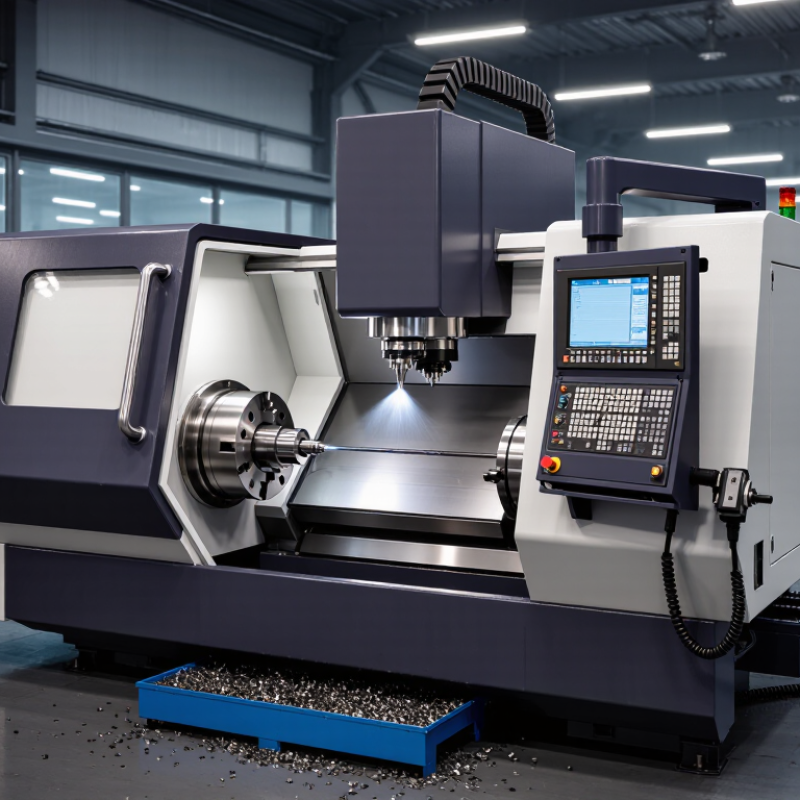
Choosing a CNC lathe in 2026 begins with its basic working envelope. Measure the largest diameter and length your parts require. Check spindle bore, chuck size, motor power, and maximum speed. A machine should handle real production loads, not only impressive catalog figures.
In my workshop evaluations, rigidity often matters more than speed. A stable bed reduces vibration around a 0.2 mm finishing pass. Direct measurement also reveals whether the control system feels practical for operators.
Look for conversational programming, tool-life tracking, probing, and clear alarm messages. Small details matter. Automatic chip removal and accessible coolant filters can save hours each week.
CNC lathes are developing toward connected, more adaptive production in 2026. Thermal compensation can correct gradual dimensional drift during long cycles. Energy monitoring helps identify waste during idle time. Better sensors may detect tool wear before surface marks become obvious. However, these features still depend on accurate setup and disciplined maintenance.
Data alone cannot repair a poorly aligned tool turret. I have seen advanced automation underperform because operators ignored basic workholding checks. That is an uncomfortable lesson. Review service access, training requirements, software security, and spare-part availability before comparing prices. A practical machine may outperform a faster one when it produces consistent parts with fewer interruptions.
Essential Specifications for Comparing CNC Lathes
A CNC lathe should fit the parts you actually make, not just the largest part listed in a brochure. Compare maximum turning diameter, swing over the bed, and distance between centers. Then check spindle bore against your largest bar stock. A tight bore can force extra handling or limit future jobs. Measure twice.
Spindle speed matters, but torque across the working range matters just as much. Heavy cuts in steel need steady torque at lower speeds; small components may benefit from higher speed and smooth control. Review motor power, spindle nose, and chuck capacity together. A big power figure alone can mislead.
Look closely at axis travel, positioning accuracy, and repeatability. Ask how the machine performs after warm-up, and request test data using a part similar to yours. Tool stations, turret indexing time, and available live tooling affect cycle time. So do chip evacuation and coolant delivery. Chips wrapped around a long workpiece are not a minor detail. Check the control interface and training needs, too; an impressive specification is less useful if operators struggle to set up a routine job. I would leave some room for uncertainty: published figures rarely capture every shop condition. Compare the machine against your material, tolerances, shifts, and maintenance capacity.
How to Choose the Best CNC Lathes in 2026? — Essential Specifications for Comparing CNC Lathes
The figures below are typical selection ranges for common CNC lathe classes, not specifications for a particular machine. Actual capacity and performance vary by configuration, tooling, workholding, and manufacturer.
How to Match Machine Features to Your Production Needs
How to Choose the Best CNC Lathes in 2026?
How to Match Machine Features to Your Production Needs
Start with the parts you actually make, not the machine’s longest feature list. Record material, maximum diameter, part length, tolerances, and monthly volume. A small batch of aluminum spacers has different needs from continuous production of long steel shafts. Measure a typical workpiece, too. A drawing may not show how much clearance operators need for loading tools or removing finished parts.
Match spindle capacity and power to your material and cutting cycles. Tough alloys and heavy cuts can require more torque, while lighter jobs may benefit more from fast, accurate positioning. Consider bar capacity if you feed stock through the spindle. Check the tool turret’s station count against the tools used on real jobs. More stations can reduce changeovers, but unused positions add little value. Keep it practical.
Look at the workday around the cut. Is setup frequent? Does the machine need a bar feeder, parts catcher, or steady rest? These options can save handling time when they fit the workflow, but they also take space and require maintenance. Ask for a test cut using a representative part, then inspect finish, cycle time, chip control, and repeatability. Small details matter. Compare service access, training, and local technical support before deciding. I would revisit the decision after a month of production; early estimates often miss setup delays and awkward chip removal.
How to Choose the Best CNC Lathes in 2026?
Match machine features to your production needs
Use this planning guide to compare feature priorities across common production needs. Scores are indicative priorities on a 1–5 scale, not measured machine-performance data. Confirm capacity, accuracy, tooling, and automation requirements against your actual parts and production volumes.
Evaluating Accuracy, Automation, Software, and Safety
How to Choose the Best CNC Lathes in 2026?
Evaluating Accuracy, Automation, Software, and Safety
Accuracy should be proven on the parts you actually make, not judged by a brochure’s best-case figure. Ask for repeatability results after warm-up, then inspect a test cut using your own material and tolerance range. Check spindle runout, thermal compensation, and tool-setting procedures. Tiny errors add up. A machine that holds size for one cycle may drift during a long production run, so request measurements across multiple parts.
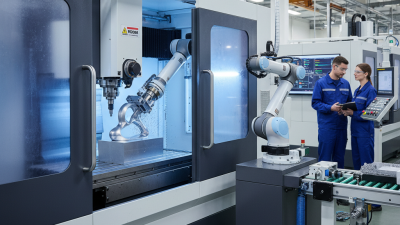
Automation can reduce handling time, but it only pays off when loading, clamping, and inspection match your workflow. The International Federation of Robotics reported 4,281,585 industrial robots operating worldwide in 2023, up 10% from 2022. That figure covers industrial robots broadly, not CNC lathes alone, but it shows how widely automation is being adopted. Review software compatibility, simulation, program transfer, and operator training. For safety, verify guarding, interlocks, and clear access to emergency stops before assessing cycle-time gains.
Tips: Run a sample job with the intended operator. Watch chip flow, door access, and tool changes. Ask how alarms are diagnosed and programs backed up. A polished demo can hide awkward daily steps; that is worth questioning.
Assessing Costs, Support, and Long-Term Operating Value
When choosing a CNC lathe, compare the full operating cost, not just the quoted price.
Include tooling, installation, training, energy, maintenance, and expected resale value. A machine that saves several minutes per part may still disappoint if setup takes longer or common spares take weeks to arrive. Ask suppliers for written response times, local technician coverage, and typical lead times for critical components. Then check those claims with nearby users.
McKinsey’s 2015 report, Industry 4.0: How to Navigate Digitization of the Manufacturing Sector,
estimated predictive maintenance could reduce maintenance costs by 10–40% and downtime by up to 50%. Treat these figures as broad industry potential, not a guaranteed result for one lathe. Ask what monitoring the machine actually provides, and whether your team can act on its alerts. No dashboard fixes a slow parts pipeline. Compare service fees and planned maintenance hours over five years, using your own shift pattern and hourly labor cost. Add a realistic allowance for unexpected repairs; the estimate will not be perfect. A supplier’s detailed service record may matter more than a small discount, especially when one stopped spindle leaves operators waiting beside unfinished parts.