Top Tips for Sourcing Cnc Nylon Materials Globally?
The demand for Cnc Nylon materials continues to rise globally, driven by the robust growth of the manufacturing sector. According to a recent industry report by MarketsandMarkets, the global nylon market is projected to reach $28 billion by 2025, showcasing a compound annual growth rate (CAGR) of 5.4%. This growth reflects a broader trend in CNC machining, where precision and material quality play crucial roles in production efficiency.
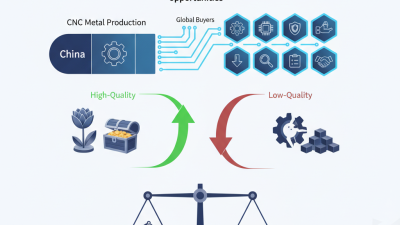
Sourcing Cnc Nylon globally offers unique challenges and opportunities. Often, regions like Asia dominate in production capabilities, but quality assurance can be inconsistent. It’s essential to evaluate suppliers based on their certifications and track records. Companies can leverage platforms like Alibaba or ThomasNet, but thorough research is critical. The right partner can significantly impact the quality of your finished products.
However, issues can arise, including fluctuations in pricing and supply chain disruptions. Recent events in the global market highlight vulnerabilities in sourcing, making it vital to develop resilient strategies. Engaging in direct communication with suppliers can help mitigate risks. Striking a balance between cost and quality is often a challenging yet necessary endeavor.

Understanding CNC Nylon Materials and Their Applications
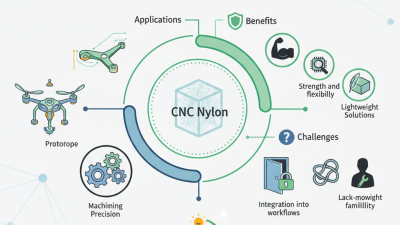
CNC nylon materials are crucial in various industries. They offer excellent durability, flexibility, and resistance to wear. Common applications include automotive parts, industrial machinery, and consumer goods. Understanding the properties of these materials helps businesses choose the right solutions for their specific needs.
When sourcing CNC nylon materials globally, consider the quality and specifications required for your project. Look for suppliers with expertise in producing high-grade nylon. Ensuring material consistency is vital. This influences the performance of the final product significantly. Sometimes, sourcing locally can reduce lead times. However, global sourcing may provide better options if local suppliers fall short.
Another tip is to establish clear communication with suppliers. Discuss your requirements in detail. This includes dimensions, tolerances, and any finishing processes. Transparency helps in building a reliable partnership. Be prepared for challenges like fluctuations in material costs and potential supply chain disruptions. Always maintain a backup plan. Adapting to these issues will improve your sourcing strategy in the long term.
Identifying Reliable Suppliers for CNC Nylon Materials Globally
When sourcing CNC nylon materials globally, identifying reliable suppliers is crucial. Begin with thorough research online. Explore platforms that connect manufacturers with buyers. Look for reviews and ratings from previous clients. This step provides insights into the supplier's reputation and reliability.
Next, consider asking for samples. Reliable suppliers should offer samples for evaluation. This allows you to assess the quality of their materials. Once you've identified potential suppliers, initiate communication. Ask about their production processes and quality control measures. A trustworthy supplier should be transparent about their operations.
Building relationships is essential. Engage in conversations about industry trends and supply chain challenges. This establishes a connection that goes beyond transactional interactions. Don't overlook red flags, such as vague responses or reluctance to share information. Trust your instincts. Taking time to evaluate potential suppliers can save you from future issues.
Global Sourcing of CNC Nylon Materials: Supplier Reliability Analysis
Evaluating Quality Standards for CNC Nylon Materials Sourcing
When sourcing CNC nylon materials globally, evaluating quality standards is crucial. The specific requirements can vary between manufacturers and regions. Look for certifications that align with international standards. These can include ISO or ASTM certifications, which indicate a baseline level of quality. Understanding these standards will help you assess potential suppliers effectively.
It’s also essential to inspect samples before committing to large orders. This can reveal inconsistencies in quality that might not be apparent in initial discussions. Keep an eye on aspects like tensile strength and durability. A supplier’s ability to provide consistent material performance is vital. Be aware that sometimes, manufacturers may prioritize lower costs at the expense of quality.
Global sourcing brings challenges, including language barriers and different expectations. It’s crucial to maintain open communication with suppliers. Ask detailed questions about their production processes and quality checks. Sometimes, a supplier may not fully understand your needs, leading to subpar materials. Thus, continual feedback can help bridge this gap, promoting better quality over time.
Top Tips for Sourcing Cnc Nylon Materials Globally - Evaluating Quality Standards for CNC Nylon Materials Sourcing
| Criteria |
Description |
Rating Scale |
Notes |
| Material Composition |
Ensure the nylon is of high-grade, suitable for CNC machining. |
1-10 |
Look for PA6 or PA66 types. |
| Supplier Certifications |
Check for ISO and other relevant standards certifications. |
Yes/No |
Important for quality assurance. |
| Production Capacity |
Assess the ability to meet volume needs. |
Low/Medium/High |
Critical for project timelines. |
| Lead Time |
Time taken to deliver materials after an order is placed. |
Days |
Plan for manufacturing schedules. |
| Cost Factors |
Evaluate total cost of acquisition including shipping. |
Currency |
Look for hidden charges. |
Shipping and Logistics Considerations for Global Sourcing
When sourcing CNC nylon materials globally, shipping and logistics play a crucial role. Understanding the complexities of international shipping is essential. Different countries have varying regulations, tariffs, and customs requirements. This can lead to unexpected delays. Always research and plan for these potential hurdles.
Working with reliable logistics partners can mitigate risks. Choosing a partner with experience in global supply chains is vital. They will help navigate challenges, ensuring timely delivery. Consider options for expedited shipping if time-sensitive projects arise. However, this may increase costs. Balancing speed and budget is often necessary.
Packaging is another detail that shouldn't be overlooked. Ensure materials are packed securely to avoid damage during transit. Using appropriate cushioning materials can be beneficial. Moreover, tracking your shipments is essential. It allows you to monitor progress and anticipate any issues. However, systems may fail, leading to disruptions. Having a contingency plan can aid in these situations.
Cost Optimization Strategies for Purchasing CNC Nylon Materials
When it comes to sourcing CNC nylon materials globally, cost optimization is crucial. Reports indicate that materials account for up to 70% of production costs in CNC machining. Thus, assessing suppliers for competitive pricing is essential. Examine the total landed cost, which includes shipping, tariffs, and handling fees. Failing to account for these factors may lead to inflated budgets.
Many companies overlook the importance of supplier relationships. Establishing strong partnerships can lead to bulk discounts and favorable payment terms. According to industry surveys, firms with long-term supplier agreements report 15% lower material costs than those without. Regularly reviewing supplier performance is key. It provides insights into pricing trends and potential savings.
Market fluctuations can also impact costs drastically. A sudden increase in demand or supply chain disruptions can raise prices unexpectedly. It’s vital to engage with multiple suppliers. Diversifying your sourcing strategy reduces risk and can uncover better pricing options. Ignoring this can result in being at the mercy of market changes, ultimately harming your bottom line.