Top CNC Stoppers for Global Buyers What to Know?
In the realm of precision engineering, CNC stoppers play a vital role. These components ensure accurate positioning during machining operations. Global buyers seeking reliable CNC stoppers must navigate various options available in the market.
Understanding the diverse types of CNC stoppers is essential. Manufacturers offer different materials, sizes, and designs. High-quality CNC stoppers often feature durable materials, providing longevity and precision. However, not every buyer fully grasps the implications of selecting inferior products.
The importance of reliability cannot be overstated. Choosing a trustworthy supplier is crucial. Some manufacturers may promise more than they can deliver. This dilemma emphasizes the need for thorough research. In an ever-competitive market, informed choices can make a significant difference in production efficiency and overall success.
Understanding CNC Stoppers: Types and Functions
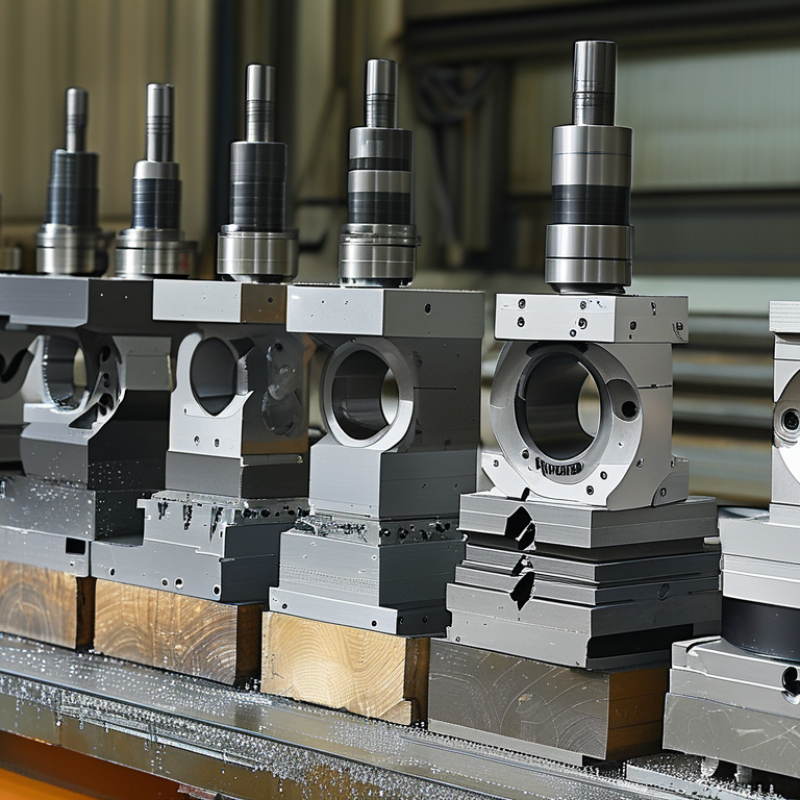
CNC stoppers play a crucial role in precision machining. Understanding their types and functions is essential for effective operation. These stop mechanisms help to precisely control the movement of materials during CNC machining processes. Common types include mechanical stoppers and pneumatic stoppers. Each type serves unique functions and has its own advantages.
Mechanical stoppers are often simpler and more durable. They provide a physical barrier that halts movement, ensuring accurate positioning. On the other hand, pneumatic stoppers offer flexibility. They can adapt to different materials and project requirements. Understanding the strengths of each type is key for buyers.
Despite their benefits, selecting the right CNC stopper can be challenging. It often requires a balance between functionality and cost. Buyers sometimes overlook factors like maintenance needs and compatibility with existing equipment. Reflection on past choices can lead to better decisions in the future. The importance of thorough research cannot be overstated. Each project may demand a unique solution, highlighting the significance of matched specifications.
Key Features to Consider When Choosing CNC Stoppers
Choosing the right CNC stoppers is essential for enhancing machining accuracy. This process starts by understanding the unique features of different stoppers. Think about the material. Options like aluminum or steel provide varying degrees of durability and stability. Your project requirements will dictate the best choice.
Another critical aspect is the size and compatibility with existing machinery. Measure your equipment thoroughly. An ill-fitting stopper can cause significant machining errors. Always double-check specifications before purchasing.
Consider the ease of adjustment. Some stoppers offer quick-release features, while others may require tools. Your workflow’s efficiency can depend heavily on this factor. Look for user feedback on adjustability. It’s often overlooked but crucial for smooth operations. Optimize your workflow by making well-informed decisions without rushing. Adaptability is key as project needs may evolve.
Top Global Manufacturers of CNC Stoppers and Their Offerings
CNC stoppers play a crucial role in various manufacturing processes. These devices ensure precision and control in cutting operations. In recent years, the global market for CNC stoppers has seen significant growth. According to a recent industry report, the CNC machine market is projected to expand at a compound annual growth rate (CAGR) of 6.5% from 2022 to 2028. This growth is largely driven by the rising demand for automation in manufacturing.
Top manufacturers of CNC stoppers are focusing on innovation. Many companies are developing stoppers that integrate smart technology for enhanced performance. For instance, stoppers that adjust automatically based on material type and thickness have gained popularity. This trend reflects a shift toward efficiency while minimizing human error. However, some manufacturers still face challenges in achieving optimal production speeds without sacrificing quality.
Despite advancements, there's room for improvement in this sector. For instance, the reliance on specific materials can lead to issues of sustainability. Additionally, many companies struggle with supply chain disruptions, affecting timely deliveries. Addressing these concerns is vital for maintaining competitiveness in the market. Continuous innovation and adaptability are key themes in discussions among industry experts.
Top CNC Stoppers for Global Buyers
| Manufacturer Location |
Material Type |
Product Features |
Customization Options |
Lead Time (Weeks) |
| USA |
Aluminum |
Corrosion Resistant, Precision Machined |
Yes |
4 |
| Germany |
Steel |
High Durability, Custom Finishes |
Yes |
6 |
| China |
Plastic |
Lightweight, Flexible Design |
Limited |
3 |
| Japan |
Titanium |
Lightweight, High Strength |
Yes |
5 |
Price Comparison and Value Analysis of CNC Stoppers
When considering CNC stoppers, price comparison can reveal significant variations. Prices often reflect material quality, durability, and manufacturer reputation. Higher-priced options may utilize advanced materials that enhance their lifespan and precision. Conversely, more affordable stoppers might serve adequately for less demanding applications. Understanding your specific needs can help in making an informed choice.
Value analysis plays a critical role in selecting the right stopper. It’s essential to assess not only the purchase price but also the long-term benefits. An inexpensive option may lead to frequent replacements, ultimately costing more in the long run. Users should evaluate the cost per use, factoring in performance reliability. Many buyers overlook this aspect, leading to dissatisfaction over time.
Evaluating reviews from other users can provide insights into product performance. Sometimes, feedback highlights issues with compatibility or durability that are not immediately apparent. It's crucial to look for stoppers that receive consistent praise for functionality and longevity. This scrutiny can save money and enhance operational efficiency in manufacturing processes.
Price Comparison of Top CNC Stoppers
This chart illustrates the price comparison among various top CNC stoppers. The prices fluctuate based on factors such as materials used, production techniques, and market demand. Overall, it provides insight into the competitive landscape of CNC stoppers globally.
Market Trends and Innovations in CNC Stoppers Industry
The CNC stoppers industry is undergoing significant changes, driven by technology and market demands. CNC stoppers play a crucial role in ensuring precision and efficiency in machining processes. Innovations in material science are producing more durable and lightweight options, which can enhance operational performance. Users now expect better durability and adaptability in these products.
Emerging trends show a rise in automation and integration with smart technology in CNC stoppers. This automation can lead to improved production cycles and reduced human error. Some manufacturers are exploring the use of AI to monitor the effectiveness of stoppers in real-time. However, not all implementations have been smooth. Testing and calibration still require manual adjustments, which can be time-consuming.
Consumer feedback highlights areas for improvement, especially regarding usability and installation. While many users appreciate the advancements, some struggle with compatibility issues. Continued focus on user experience can bridge these gaps. Manufacturers must listen to their clients to drive future innovations effectively. Balancing innovation with practicality is essential for sustained growth in this industry.