How to Find the Best CNC Brass Suppliers for Your Needs?
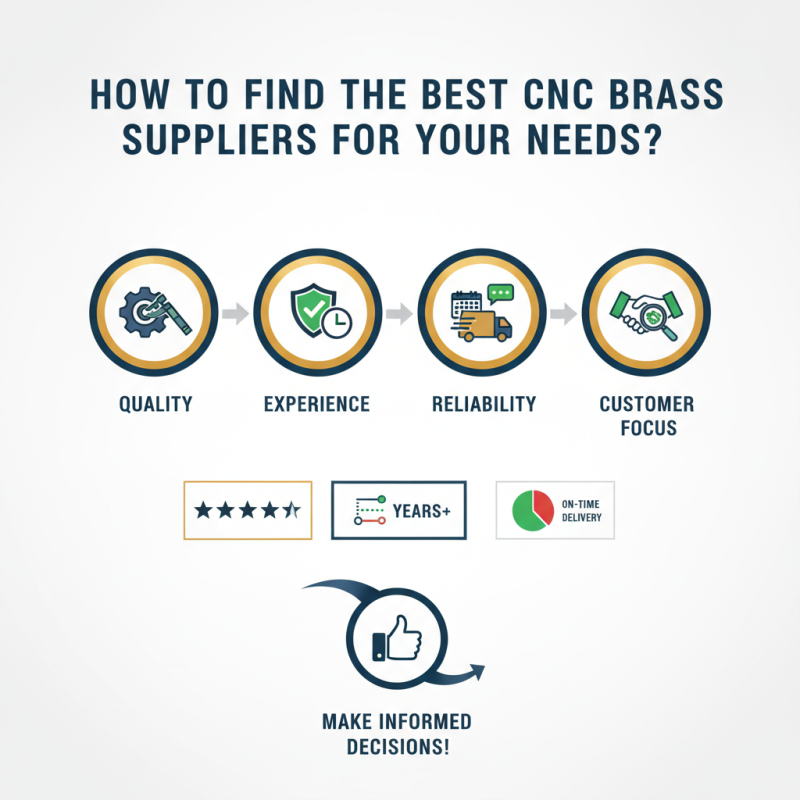
Finding the best CNC brass suppliers can be a daunting task. The market is filled with numerous options, but not all of them meet high standards. When searching for CNC brass, quality should always be a priority. High-quality suppliers ensure that you receive products that perform reliably in various applications.
Experience plays a crucial role in evaluating CNC brass suppliers. Established suppliers often have a track record of excellence. Their ability to deliver consistent quality over time is an important factor. Additionally, expert knowledge in the intricacies of CNC machining can help you make informed decisions.
Reliability is another key aspect. Suppliers must provide timely delivery and clear communication. It's essential to check reviews and testimonials. However, every supplier may have room for improvement. Consider their willingness to address your concerns or modify products to suit your needs. With these factors in mind, navigating the search for CNC brass suppliers becomes more manageable.
Understanding the Basics of CNC Brass Manufacturing Processes
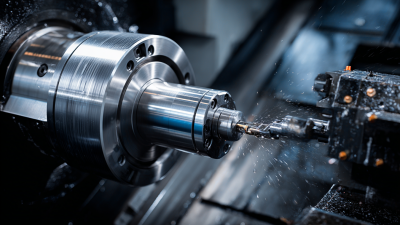
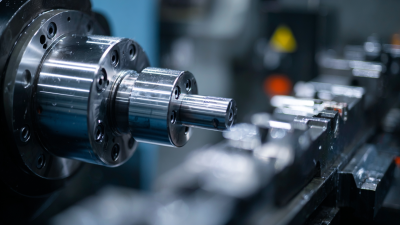
CNC brass manufacturing involves precise machining processes that turn raw brass into high-quality components. Understanding the basics is crucial for anyone interested in sourcing CNC brass parts. The process typically begins with selecting the right brass alloy, which affects durability and appearance. CNC machines then employ computer-controlled tools to shape the material accurately.
Each step of the manufacturing process offers room for optimization. For example, tool selection can impact both efficiency and finish quality. A poorly chosen tool might lead to excessive wear or unsatisfactory surface finish. Pay attention to spindle speeds and feeds, as they are essential for achieving optimal results. The settings can vary significantly depending on the brass alloy being used.
Quality control is pivotal in CNC brass parts production. Regular inspections can prevent defects that might compromise the functionality of the final product. It’s important to create a continuous feedback loop in the manufacturing process. This not only improves production but also ensures customer satisfaction in the long run. Mistakes can happen, and learning from them is vital for success.
How to Find the Best CNC Brass Suppliers for Your Needs?
| Supplier Location |
Manufacturing Capability |
Lead Time (Days) |
Quality Certification |
Customer Rating |
| USA |
High-Volume Production |
15 |
ISO 9001 |
4.5/5 |
| Germany |
Precision Parts |
20 |
TS 16949 |
4.7/5 |
| China |
Cost-Effective Solutions |
30 |
ISO 14001 |
4.2/5 |
| India |
Custom Manufacturing |
25 |
ISO 9001 |
4.3/5 |
| Canada |
Small-Batch Manufacturing |
10 |
ISO 9001 |
4.6/5 |
Identifying Your Specific CNC Brass Requirements and Applications
When sourcing CNC brass parts, understanding your specific requirements is crucial. Different applications demand varying standards of precision, durability, and aesthetic appeal. For instance, in the electronics industry, CNC machined brass components often require tight tolerances within 0.01 mm to ensure proper fit and performance. In contrast, automotive applications prioritize strength and heat resistance, necessitating brass alloys that comply with ASTM standards.
Conducting thorough research on your project needs can illuminate the path toward the right supplier. For example, data from industry reports indicates that 65% of successful CNC projects stem from well-defined specifications. Consider the finish and assembly processes involved, as these may influence the choice of supplier. A well-rounded supplier should demonstrate expertise in both machining and post-processing techniques. Evaluating samples and understanding material certifications can also reveal suppliers’ capabilities.
Engaging with suppliers about their machining processes can expose gaps. Some may excel in mass production but struggle with custom orders. Ask about their lead times and quality control measures. Manufacturers often have a tendency to over-promise—watch for those who can provide realistic timelines based on their workload. Refining your specifications and facilitating open communications can create a foundation for a successful partnership.
Top CNC Brass Supplier Metrics
Researching and Evaluating Potential CNC Brass Suppliers
Finding the right CNC brass suppliers requires diligent research. Start by creating a list of potential suppliers.
Use online directories and industry forums to gather names. Social media platforms can also provide insights into their reputation.
Look for reviews and testimonials shared by previous clients. These first-hand experiences can reveal a supplier's reliability.
Once you have a list, evaluate each supplier critically. Check their website for detailed product specifications and manufacturing capabilities.
A robust online presence often indicates professionalism. Don’t hesitate to reach out directly.
Ask questions about their production processes, quality control measures, and lead times.
This interaction can reveal much about their level of expertise.
Moreover, consider seeking recommendations from industry peers. Personal experiences can guide your choices well.
However, remember that every supplier has strengths and weaknesses.
It's essential to reflect on what aspects matter most to your project.
Product consistency, cost, and flexibility in manufacturing are crucial.
Choose wisely, but keep an open mind. Adjust your criteria based on evolving needs or discovered insights.
Assessing Supplier Quality: Certifications and Customer Reviews
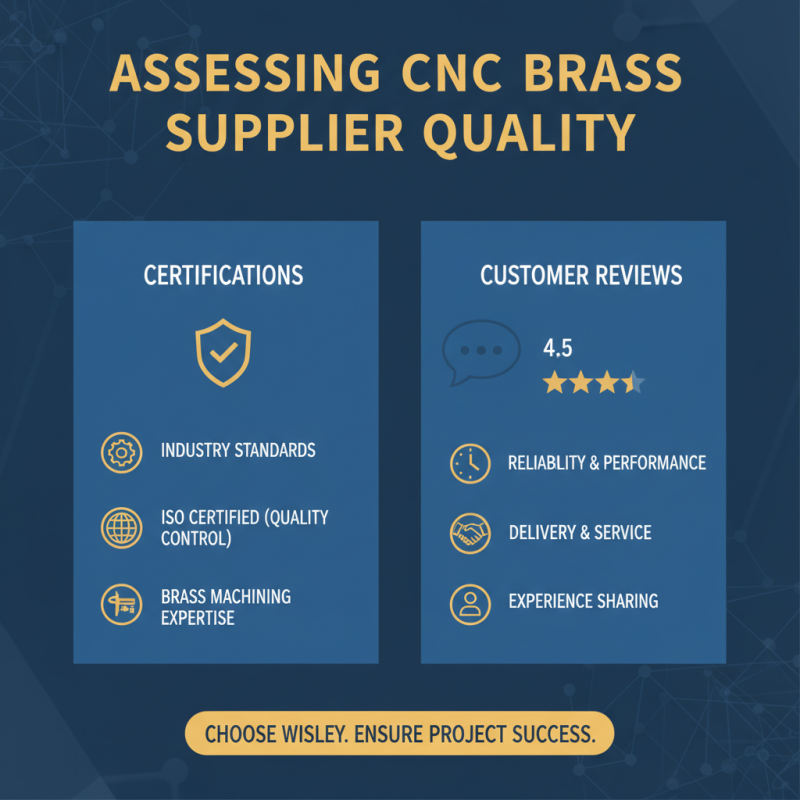
Choosing the right CNC brass supplier is crucial for your projects. Assessing their quality is a vital step that cannot be overlooked. Certifications indicate a supplier's adherence to industry standards. Look for suppliers with ISO certifications, which reflect their commitment to quality control. Additionally, check for relevant industry certifications that prove expertise in brass machining processes.
Customer reviews provide invaluable insights. Reading both positive and negative feedback helps gauge the supplier's reliability. Be cautious of suppliers with mostly glowing reviews. Sometimes, these can be less authentic. Look for consistent themes in the feedback. Pay attention to comments about delivery times, product quality, and customer service.
When assessing suppliers, consider these tips: Request samples to evaluate material quality. Inspect their production capabilities to ensure they meet your needs. Ask about their quality assurance processes to understand their attention to detail. Some suppliers may boast advanced technology but falter in quality checks. Reflecting on these aspects can save you from possible pitfalls and ensure you make informed choices.
Establishing Long-term Relationships with Reliable Suppliers
Building long-term relationships with reliable CNC brass suppliers is crucial for any business in the manufacturing sector. A recent survey by the National Association of Manufacturers found that around 70% of companies value strong partnerships with suppliers. This cooperation can lead to better pricing, faster delivery times, and improved product quality. The emphasis should not only be on finding the right supplier but also on nurturing that relationship over time.
Regular communication is essential. Engaging in discussions about industry trends or production challenges creates a familiar environment. Additionally, establishing trust can lead to flexibility during peak demand times. According to a report by the Procurement and Supply Chain Management Institute, companies that maintain long-term supplier relationships experience a 15% reduction in costs. However, care must be taken to avoid complacency. Regular evaluations are necessary to ensure that the supplier continues to meet the evolving needs of your business.
Transparency in dealings helps foster a reliable partnership. Both parties should be open about expectations, challenges, and capabilities. Some businesses face difficulties when suppliers cannot adapt to changing demands. This pressure can lead to quality issues. Engaging suppliers in problem-solving discussions can mitigate this risk. Building a strong partnership doesn't just offer reliability; it enhances overall business resilience.