What is Cnc End Mill and Why is it Essential for Manufacturing?
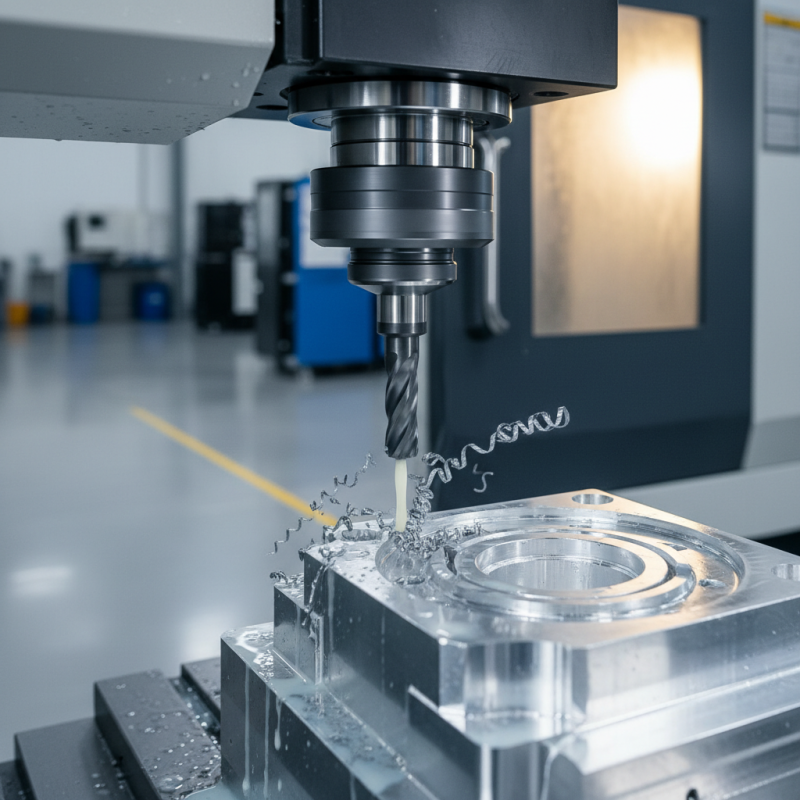
In the realm of modern manufacturing, the Cnc End Mill plays a pivotal role. This cutting tool is designed for precision and efficiency. Machining processes depend heavily on its ability to produce intricate shapes and sizes.
The effectiveness of a Cnc End Mill is derived from its innovative design and versatility. It allows manufacturers to work with a variety of materials, including metals and plastics. Choosing the right end mill can significantly impact production quality. Yet, many may overlook its importance in the design phase.
Every engineer should understand the implications of using the correct Cnc End Mill. Mistakes in selection can lead to compromised outcomes. As the industry evolves, staying informed about advancements in end mill technology is crucial. Reflecting on this can improve processes and lead to better products.
Definition and Functionality of CNC End Mills
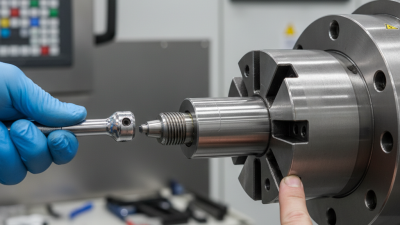
CNC end mills are vital tools in modern manufacturing processes. They are designed to remove material from a workpiece with precision. Typically made of high-speed steel or carbide, these mills offer durability and cutting efficiency. Their design features sharp flutes that allow for effective chip removal. This characteristic enhances the overall machining process.
Understanding the functionality of CNC end mills is crucial. These tools are often employed in milling machines. They perform tasks like face milling, contouring, and slotting. Their versatility makes them invaluable for various materials, including metals, plastics, and composites. However, improper usage can lead to wear and tear or suboptimal performance. Identifying the right type of end mill for a specific job is essential. Not all end mills are suitable for every application. Applying the wrong tool can result in destructive consequences for both the workpiece and the machine.
Additionally, the right cutting speed and feed rate enhance the effectiveness of CNC end mills. Constant monitoring of these parameters is necessary for optimal results. There are challenges in consistently maintaining these conditions in a busy manufacturing environment. Regular maintenance of end mills can prevent major issues. Balancing performance, cost, and quality often requires critical thinking and ongoing assessment. This process helps in achieving the best machining results while minimizing waste.
What is Cnc End Mill and Why is it Essential for Manufacturing? - Definition and Functionality of CNC End Mills
| Dimension |
Value |
Description |
| Shank Diameter |
1/4", 1/2", 3/8" |
The diameter of the end mill shank that fits into the spindle of the CNC machine. |
| Flute Count |
2, 4, 6 |
The number of flutes on the end mill which affects the cutting speed and chip removal efficiency. |
| Coating |
TiN, AlTiN, TiCN |
Type of coating on the end mill that enhances wear resistance and increases tool life. |
| Material |
Carbide, High-Speed Steel |
The material from which the end mill is made, affecting durability and performance. |
| Cutting Diameter |
1/8", 3/16", 1/4" |
The diameter of the cutting edge of the end mill which determines the size of the cut. |
| Length of Cut |
1", 2", 3" |
The length of the cutting portion of the end mill, influencing depth capability. |
Benefits of Using CNC End Mills in Production Processes
CNC end mills play a crucial role in modern manufacturing. These cutting tools offer numerous benefits in production processes, primarily due to their ability to create precise geometries. According to a study by Grand View Research, the global CNC machining market is projected to reach $100 billion by 2025, highlighting the importance of advanced tooling like end mills in enhancing productivity.
One key benefit of using CNC end mills is efficiency. They allow for high-speed machining, reducing production time significantly. Reports indicate that using CNC end mills can increase production rates by up to 40%. This improvement stems from their ability to execute complex cuts with minimal tool changes. Inconsistent tool changes can lead to downtime, reducing overall efficiency.
Another advantage is versatility. CNC end mills can work with various materials, including metals, plastics, and composites. This adaptability is essential as manufacturers often need to switch materials based on projects. However, the challenge lies in selecting the right end mill for specific applications. Miscalculations can lead to suboptimal performance and tool wear. Thus, a deep understanding of tool dynamics is critical for maximizing their efficacy in production settings. By investing in training and expertise, companies can better leverage CNC end mills for enhanced outcomes.
Applications of CNC End Mills Across Different Industries
CNC end mills play a crucial role across various industries. They are essential tools used in manufacturing processes such as milling, drilling, and shaping solid materials. In the aerospace sector, precision is vital. CNC end mills create intricate parts that must meet strict safety standards. These tools allow manufacturers to produce components with fine tolerances, ensuring performance.
In the automotive industry, CNC end mills are used for creating engine blocks and transmission housing. The reliability of these parts directly impacts vehicle performance. Industrial engineers often reflect on how this technology enables mass production with high efficiency. The use of CNC end mills simplifies complex designs, reducing time and labor costs significantly.
In the medical field, CNC end mills are involved in creating implants and surgical instruments. Some challenges exist in maintaining strict hygiene and precision standards. Sometimes, the manufacturing process may produce unexpected results, requiring a reassessment of techniques. Each application highlights the diverse utility of CNC end mills, showcasing their importance in modern manufacturing.
Maintenance and Best Practices for CNC End Mills
CNC end mills are vital for precision in manufacturing. Their effective performance relies heavily on proper maintenance. Regular cleaning keeps them sharp and ready for use. Dirt or debris can lead to poor cutting quality or damage.
Use the right coolant to extend tool life. Coolants help reduce friction and heat. However, overusing coolant might lead to an oily residue. This can attract dust and impact performance negatively. Periodic inspections reveal signs of wear, such as chipping or dullness. Recognizing these signs early can prevent costly replacements.
Implementing best practices is key. Store end mills in a dry, clean environment. Use protective cases to avoid damage during storage or transport. Training operators on proper handling is crucial. Misuse or improper handling can lead to premature wear. Fostering an understanding of these tools can drastically enhance their lifespan.