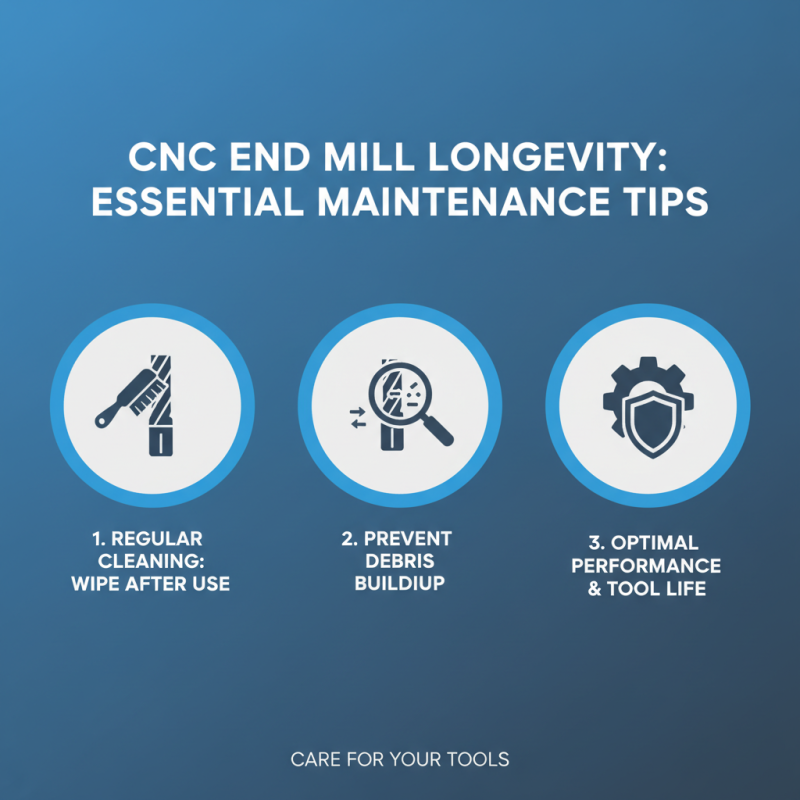
What is a Cnc End Mill and How to Choose the Right One?
The CNC end mill is a vital tool in modern machining. According to a report by Grand View Research, the global end mill market is expected to reach $2.48 billion by 2027, driven by demand across various industries. Choosing the right CNC end mill can significantly impact machining efficiency and product quality. The tool's design and material affect its performance in specific applications, making informed choices crucial.
CNC end mills come in numerous sizes and shapes. Each type serves distinct purposes, catering to various materials, including metals, plastics, and composites. Yet, many users overlook key factors when selecting these tools. Understanding specifications like diameter, flute count, and coating can optimize their performance.
Despite the extensive options available, not every CNC end mill will suit every project. Users need to consider factors such as material compatibility and cutting conditions. A mismatch can lead to tool wear or compromised surface finishes. Therefore, navigating the choices requires experience and careful consideration, ensuring the right balance between performance and durability.
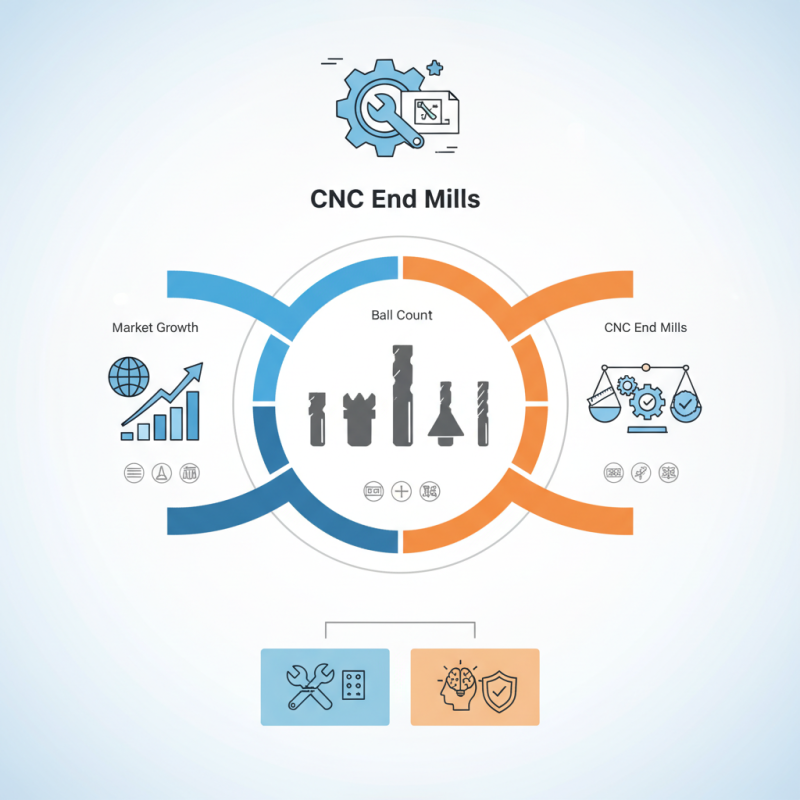
What is a CNC End Mill? Understanding the Basics
CNC end mills are essential tools in machining. They are used for cutting and shaping materials with precision. Understanding the basics can help you make informed choices.
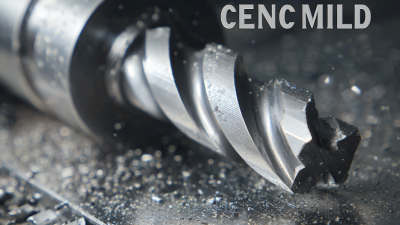
A CNC end mill features a cylindrical shape and fluted design. This structure allows it to remove material efficiently. Depending on the task, different types of end mills can be used: flat, ball, or corner radius. Each has its strengths and weaknesses. Choose wisely based on your project needs.
Tip: Consider the material you will be machining. Some end mills are better suited for metals, while others excel with plastics or wood.
When selecting an end mill, think about the cutting diameter and length. A larger diameter can remove more material quickly. However, it may lead to instability in high-speed applications. Don’t overlook tool wear and its impact on the final product.
Tip: Keep an eye on tool wear. Regularly inspect end mills for damage to maintain quality. Adjust your selection accordingly to enhance performance and precision.
Types of CNC End Mills and Their Applications
CNC end mills are essential tools in machining. They come in various types, each designed for specific applications. Choosing the right one can drastically influence efficiency and precision in manufacturing. According to industry reports, over 40% of machining errors stem from improper tool selection. This underlines the importance of understanding the types of end mills available.
Tapered end mills are favored for engraving and profiling. Their sloped design allows for smoother edges. The versatility of flat end mills makes them ideal for face milling and pocketing tasks. Research states that using a flat end mill can reduce machining time by up to 30% when compared to standard tools. Ball end mills, on the other hand, are perfect for 3D contouring. They create a more rounded finish, which is crucial in mold-making applications.
A study revealed that carbide end mills outperform high-speed steel by a significant margin in durability and heat resistance. This is critical in high-speed machining processes. However, with advancements in technology, it’s essential to keep updated on the latest tools and their performance. As new materials and methods emerge, revisiting tool selection remains necessary to maintain machining precision.
Factors to Consider When Choosing a CNC End Mill
Choosing the right CNC end mill can greatly impact your machining projects. Start by considering the material you will be working with. Different materials require different tools. For example, high-speed steel is great for softer materials, while carbide is ideal for harder ones. Assessing the material helps narrow down your options.
Another factor is the end mill's geometry. Look at the number of flutes, which can affect chip removal and surface finish. A two-flute design is often preferred for aluminum, while a four-flute option works better for harder metals. Additionally, the diameter of the mill plays a role in the cutting efficiency. Larger diameters can remove material quickly, but they may sacrifice detail.
Think about the coating of the end mill as well. Coatings like titanium nitride can enhance performance and durability. However, they may not suit every application. Evaluating these factors will lead you toward the best choice. Remember, trial and error is part of the learning process. Don't hesitate to experiment with different options to find what works best for you.
How to Select the Right Material for Your CNC End Mill
Choosing the right material for your CNC end mill is crucial for achieving optimal performance. Different projects require different materials, and understanding these options can significantly affect the quality of your work. Common materials include high-speed steel (HSS), carbide, and cobalt. HSS end mills are versatile, great for softer materials. Carbide options excel in durability and heat resistance, making them ideal for harder materials. Cobalt offers a balance, enhancing hardness without compromising on cost.
When selecting material, consider the type of material you plan to cut. For instance, aluminum necessitates a different approach than stainless steel. Each material reacts uniquely under cutting conditions. The selected end mill will wear differently based on the application, so thorough assessment is essential. It's advisable to reflect on past projects and analyze any constraints or inefficiencies you faced.
Additionally, pay attention to the coating on the end mill. Coatings like TiN or TiAlN can improve performance by reducing friction and increasing lifespan. However, they may not be necessary for every job. Make sure to evaluate whether the added cost aligns with the benefits for your specific tasks. Adopting a trial-and-error mindset could also lead to better insights.