Cnc Drawbar Tips for Optimal Performance and Maintenance?
In the CNC machining industry, maintaining optimal performance of the CNC drawbar is crucial. Daniel Harrison, a renowned expert in CNC operations, emphasizes, "A well-maintained CNC drawbar is the heart of efficient machining." This statement reflects the importance of regular care.
CNC drawbars play a significant role in tool retention and precision. A poorly maintained drawbar can lead to tool slippage, which affects product quality. Users often overlook routine checks. This negligence can lead to costly downtime and repair.
Proper lubrication and tension checks are essential practices. It’s easy to assume everything is fine when it isn’t. Regular inspections can identify wear and tear early. Ignoring small issues can have a big impact. Investing time in maintenance can save resources in the long run. With these tips, operators can enhance their CNC drawbar's performance significantly.
Understanding CNC Drawbars: Function and Importance
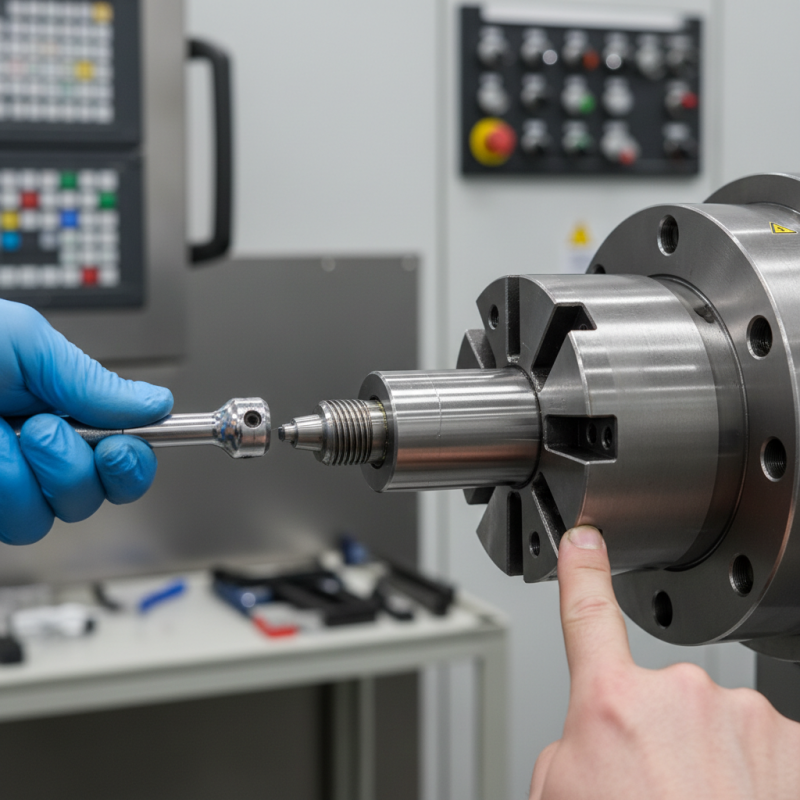
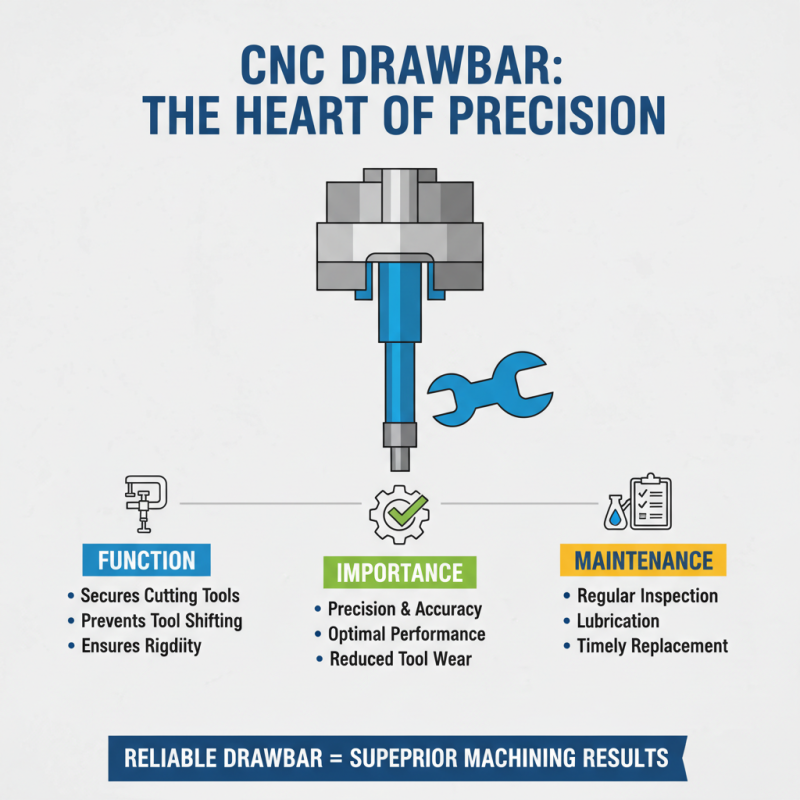
CNC drawbars play a crucial role in the machining process. They secure cutting tools in place, ensuring precision and accuracy. Without a reliable drawbar, tools could shift during operation. This would lead to poor performance and increased wear. Maintaining the drawbar is essential for optimal results.
Understanding how a CNC drawbar works can enhance its maintenance. It typically consists of a tension mechanism and a locking feature. These components must be checked regularly for wear. Small issues, if ignored, can lead to significant problems. Sometimes, the locking mechanism fails unexpectedly. Regular inspection is key to avoiding this.
CNC operators should pay attention to lubrication and cleanliness. A clean drawbar ensures smooth operation. Contaminants can cause binding or misalignment. Moreover, operators should document maintenance activities. This can help identify recurring issues over time. Reflection on past performance can guide future actions. Keeping a well-maintained drawbar contributes to overall productivity.
Choosing the Right Drawbar for Your CNC Machine
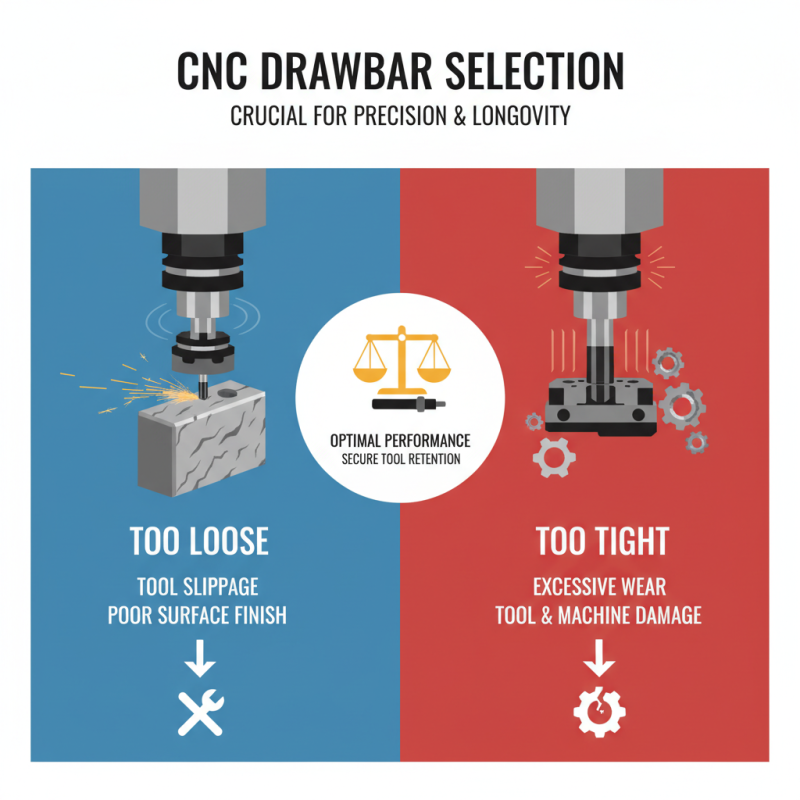
Choosing the right drawbar for your CNC machine is crucial for optimal performance. Drawbars play a vital role in tool retention. A proper fit ensures tools are held securely during operations. If the drawbar is too loose, it can lead to tool slippage and surface finishing issues. If it's too tight, it may cause excessive wear on both the drawbar and the tooling.
Material selection is also important. Different materials offer varying degrees of strength and durability. Steel and aluminum are common choices. Steel may provide better longevity, but aluminum can reduce the overall weight of the setup. However, I sometimes overlook this aspect in my projects, focusing more on immediate costs than long-term benefits.
Periodically inspecting the drawbar is essential too. Over time, wear and tear can occur. It’s easy to miss small signs of damage during routine checks. A small crack can evolve into a larger problem. Paying attention to these details can save hours of downtime later. Maintenance may seem tedious, but it pays off significantly in performance.
Maintenance Tips for Extending Drawbar Lifespan
Maintaining your CNC drawbar is crucial for its longevity and performance. Regular inspections are essential. Check for wear and tear on the drawbar components. A worn drawbar can lead to more significant issues, impacting precision and machine life. It’s essential to fix minor problems before they escalate.
Lubrication plays a vital role in drawbar maintenance. Use the correct lubricants to ensure smooth operation. Insufficient lubrication can cause increased friction, leading to premature failure. Monitor lubrication levels regularly. It's easy to forget this step but can cost more in repairs later. Cleaning the drawbar regularly is also necessary to remove dust and debris.
Make sure to follow proper tightening procedures. Over-tightening can damage components. Equally, under-tightening leads to slippage. Incorrect adjustments can disrupt production. Pay attention to how the drawbar interacts with other machine parts. Each adjustment can reveal something new about the overall system. Recognizing patterns in wear may help you adapt your maintenance routine accordingly.
Cnc Drawbar Tips for Optimal Performance and Maintenance
| Maintenance Tip |
Description |
Frequency |
Expected Lifespan Extension (%) |
| Regular Lubrication |
Apply appropriate lubricant to reduce wear and prevent corrosion. |
Monthly |
20% |
| Visual Inspection |
Check for signs of damage, wear, or misalignment. |
Weekly |
10% |
| Tightening Fasteners |
Ensure all fasteners are secure to maintain stability. |
Bi-weekly |
15% |
| Clean Drawbar |
Remove debris and contaminants to ensure smooth operation. |
As needed |
25% |
| Alignment Check |
Verify that the drawbar is correctly aligned with machine components. |
Monthly |
30% |
Common Issues and Troubleshooting for CNC Drawbars
CNC drawbars are critical components in machining. They secure tools tightly, ensuring precise operations. However, common issues can arise, affecting performance. Reports indicate that improper maintenance can lead to tool slippage, generating inaccurate cuts. In fact, studies show that nearly 30% of machining errors stem from drawbar problems.
Another frequent issue is wear and tear on drawbar components. Friction can degrade materials, resulting in increased cycle times. Common signs of wear include unusual sounds during operation and tool dislodgment. Regular inspections help identify these problems. A proactive approach can reduce downtime by up to 20%, according to industry analyses.
Additionally, lubrication is essential for optimal function. Insufficient lubrication increases wear, leading to premature failures. Instead of assuming all systems are performing well, it’s wise to implement a routine maintenance schedule. This can prevent issues that would otherwise disrupt operations. Regularly checking hydraulic pressures can reveal underlying problems, ensuring reliability in machining tasks.
Best Practices for Optimizing Drawbar Performance
Optimizing drawbar performance is critical in CNC machining. A well-maintained drawbar ensures better tool retention and overall efficiency. Regular inspection is key. Check for wear and tear. Look for any signs of rust or damage. Addressing these issues promptly can prevent future problems.
Proper lubrication is essential for smooth operation. Use recommended lubricants and apply them regularly. Too little lubrication can cause friction and wear. Conversely, excessive lubrication can attract dirt and debris. Striking the right balance is vital.
The drawbar tension should be consistently monitored. Over-tightening can lead to premature failure of the components. On the other hand, if it’s too loose, tools may be released unexpectedly. This can cause costly errors in production. Testing the tension regularly can help maintain the right balance.
CNC Drawbar Performance Optimization