How to Choose the Best CNC Bearings for Your Needs?
Choosing the right CNC bearings is crucial for optimal machine performance. According to industry expert Peter Logan, “Selecting the right bearings is the foundation of any successful CNC operation.” His insight highlights the importance of understanding specific needs.
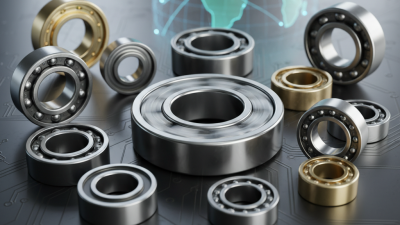
CNC bearings come in various types and sizes. Each type serves different applications, impacting precision and durability. For instance, high-load applications require bearings that can withstand greater pressure. Understanding the exact requirements of your machinery ensures efficiency.
It's essential to consider material, size, and lubrication. Many overlook these aspects, which can lead to premature wear or failure. Reflection on past projects reveals the need for careful evaluation. Each detail counts when it comes to CNC bearings. Investing time in research will yield better results in your operations.
Understanding the Importance of CNC Bearings in Machinery
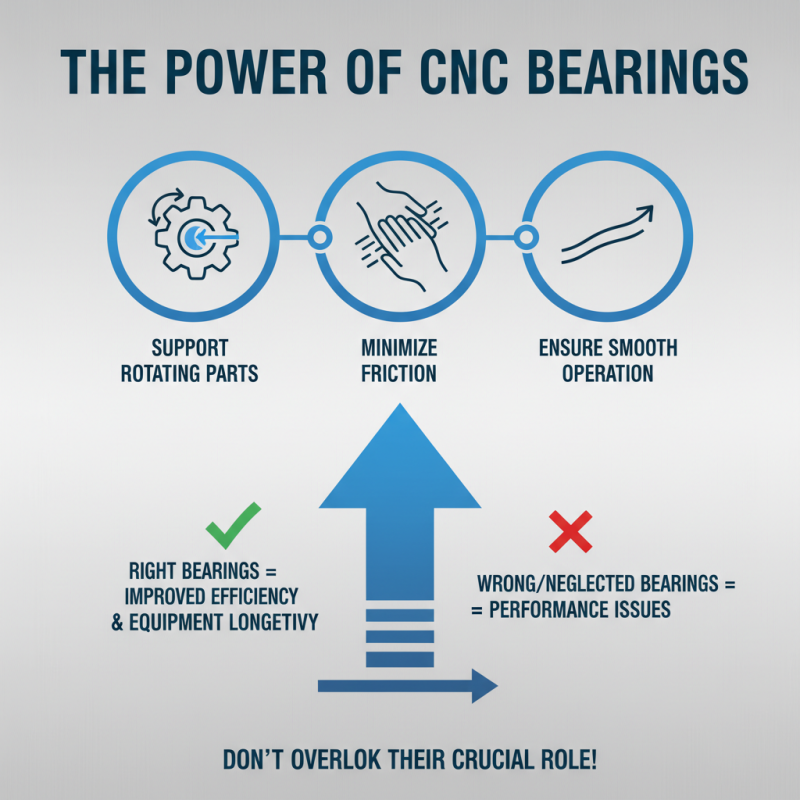
CNC bearings play a crucial role in machinery performance. They support rotating parts, minimize friction, and ensure smooth operation. Choosing the right bearings can lead to improved efficiency and longevity of your equipment. However, many users overlook their importance, which can result in performance issues.
Bearings come in various types, each designed for specific applications. It's essential to understand torque loads and speed requirements for your machinery. Take note of the environment too. For instance, high temperatures or exposure to dust may demand specialized bearings.
**Tip:** When selecting CNC bearings, always consult manufacturer specifications. This ensures the components will work together seamlessly for optimal performance.
A common mistake is choosing bearings based solely on price. While budget considerations matter, quality should not be compromised. Low-quality bearings may save money upfront but can increase operational costs in the long run.
**Tip:** Regular maintenance is critical. Inspect bearings often to catch wear and tear early. This proactive approach can prevent costly downtimes and extend the lifespan of your machinery.
Investing time in understanding CNC bearings pays off. When effectively selected and maintained, they enhance overall productivity. Don't underestimate their role in your operation's success.
Identifying Your Specific CNC Application Requirements
When selecting CNC bearings, understanding your specific application is crucial. Different CNC machines have varying requirements based on their design and intended use. For instance, high-speed machining centers may need bearings that can withstand greater rotational speeds while maintaining stability. It’s essential to identify whether your application demands precision, load capacity, or high-speed capability. Each bearing type possesses unique characteristics that can significantly impact performance.
Tips: Consider the environment where the CNC machine operates. If dust and debris are prevalent, sealed bearings can offer better protection. Also, evaluate the temperature range of your application; some bearings perform better under extreme conditions.
Another factor to contemplate is lubrication. Some bearings require regular maintenance, while others are self-lubricating. Understanding these nuances will help in making informed choices. Always review the manufacturer specifications to ensure compatibility with your machine. Don’t overlook the importance of longevity and durability; investing in quality bearings often pays off in decreased downtime and increased efficiency.
Choosing the Best CNC Bearings: Application Requirements
Key Factors to Consider When Selecting CNC Bearings
When selecting CNC bearings, it’s essential to consider several key factors. One primary aspect is
load capacity. Understand whether your application requires
high load resistance or lighter support. Bearings must withstand
the specific forces encountered during operations. Calculating these loads ahead of time can save
future headaches.
Another important factor is speed ratings. Different
CNC applications operate at varying speeds. A bearing optimized for low-speed applications may fail under
high-speed conditions. Ensure that the speed rating matches your machinery's requirements for efficient performance.
Material composition also plays a vital role. Different materials offer varied lifespans, resistance to corrosion,
and heat tolerance. Choosing the right material can enhance durability. It may be beneficial to analyze past
failures and address their root causes. This
reflection can lead to better-informed decisions in the future.
Comparing Different Types and Materials of CNC Bearings
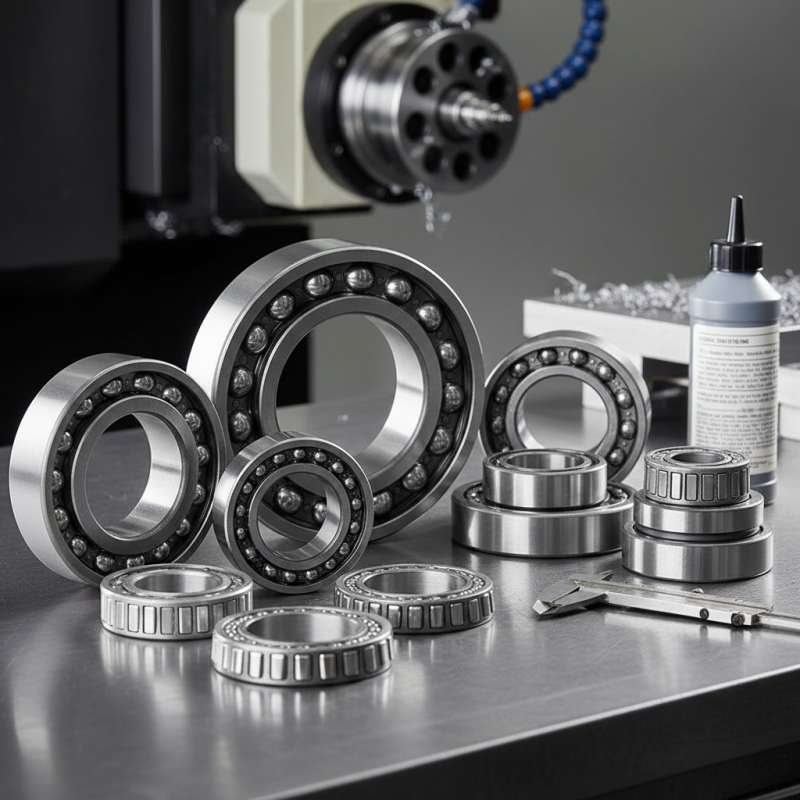
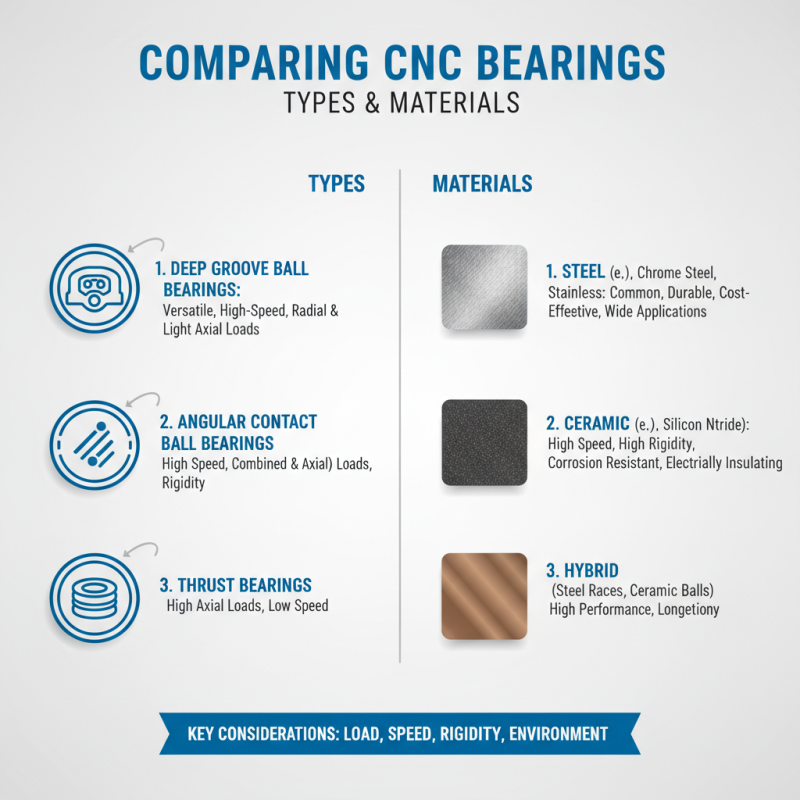
When selecting CNC bearings, understanding the types and materials available is crucial. Various types include deep groove ball bearings, angular contact ball bearings, and thrust bearings. Each design serves distinct functions based on load applications. For example, deep groove ball bearings are versatile and ideal for high-speed operations. In contrast, thrust bearings are suitable for handling axial loads.
Materials also play a significant role in performance. Steel bearings are common and provide strength and durability. However, ceramic bearings are lighter and offer lower friction, enhancing efficiency. Choosing the right material can impact the lifespan of your CNC machinery. Weighing these factors can be overwhelming, but it’s essential to match bearing type and material with your specific needs.
Tip: Consider your working environment. If moisture or dust is prevalent, sealed bearings may prevent contamination. Additionally, always check compatibility with existing systems to avoid unexpected issues. The right bearing choice can save time and costs in the long run. Remember to consult experts for tailored advice to your situation. Adjustments may be required to align with operational demands.
How to Evaluate the Quality and Performance of CNC Bearings
When evaluating the quality and performance of CNC bearings, several factors come into play. Material composition is crucial. High-quality bearings typically use materials like steel or ceramic. These materials provide durability and resistance to wear. Examine the bearings for any visible defects. Small imperfections can indicate poor manufacturing practices. Pay attention to the bearing’s finish. A smooth finish usually signifies a refined manufacturing process.
Another aspect to consider is tolerance levels. Bearings must fit properly within their application. An incorrect fit can lead to early failure or decreased performance. Check the specifications provided by the manufacturer. These details can give insight into the bearing's suitability for specific tasks. Additionally, consider the load capacity. Each bearing is rated for a certain load. Exceeding this capacity can compromise its lifespan dramatically.
Ultimately, it’s wise to consult experts if uncertainty arises. Their experience can help you make more informed choices. They might point out considerations you overlooked. Delve into feedback from other users. Real-world experiences can highlight strengths and weaknesses that specifications might not reveal. This can guide you in selecting the most appropriate CNC bearings for your needs.
How to Choose the Best CNC Bearings for Your Needs?
| Bearing Type |
Load Capacity (kg) |
Speed Rating (RPM) |
Material |
Lubrication Type |
Applications |
| Ball Bearing |
200 |
12000 |
Steel |
Grease |
CNC Machining, Robotics |
| Roller Bearing |
300 |
8000 |
Chrome Steel |
Oil |
Heavy Machinery, Manufacturing |
| Needle Bearing |
150 |
10000 |
Stainless Steel |
Grease |
Automotive, Aerospace |
| Thrust Bearing |
250 |
5000 |
Bronze |
Oil |
Pumps, Compressors |